Inside Our Autistic Minds
Visualising how autistic people experience the world for this powerful series.
The Guardian described the latest series of Inside Our Minds as a program that successfully harnesses ‘The Humanising Power of Artistic Expression’. This latest season explores ADHD and Dyslexia following four contributors over two programmes. Hello Charlie worked closely with the production team and the contributors to create four uniquely personal films that helped to communicate each individuals’ perspective on the world.
“We were thrilled to welcome Hello Charlie, led by Chaz Golding, back for series two. They brought our weird and wonderful ideas to life, taking time to know our contributors—Chaz even joined Suiki at the London Aquarium, turning her ‘slippery fish’ thoughts into magical woodland sprites.” Joe Myerscough for Broadcast Now

The first episode of the new series follows the lives of Jo and Henry who share their experiences of living with ADHD. After a number of personal consultations with the contributors and an extensive period of storyboarding and concept development we arrived at two very different treatments for film’s that explored each unique perspective.
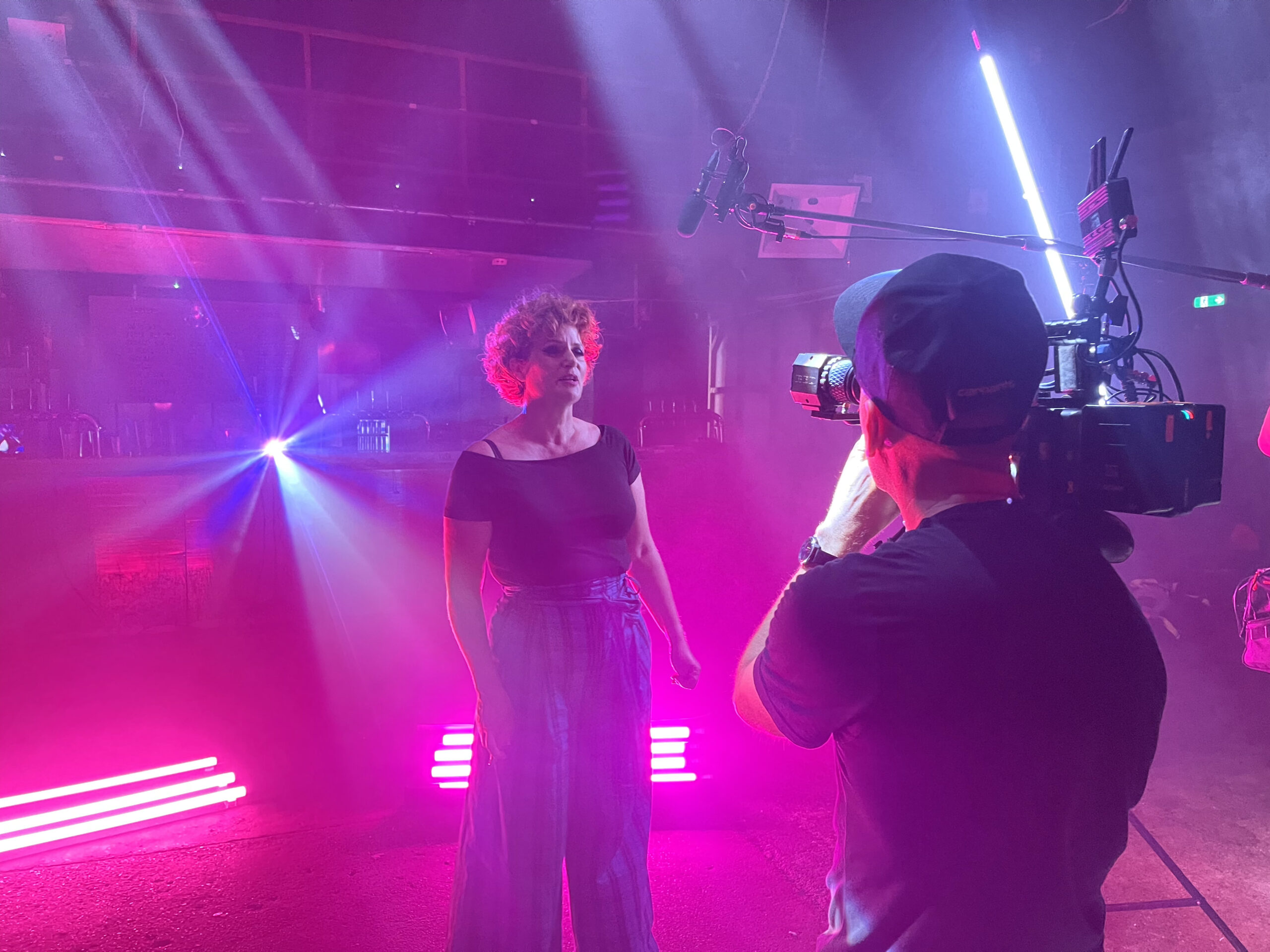
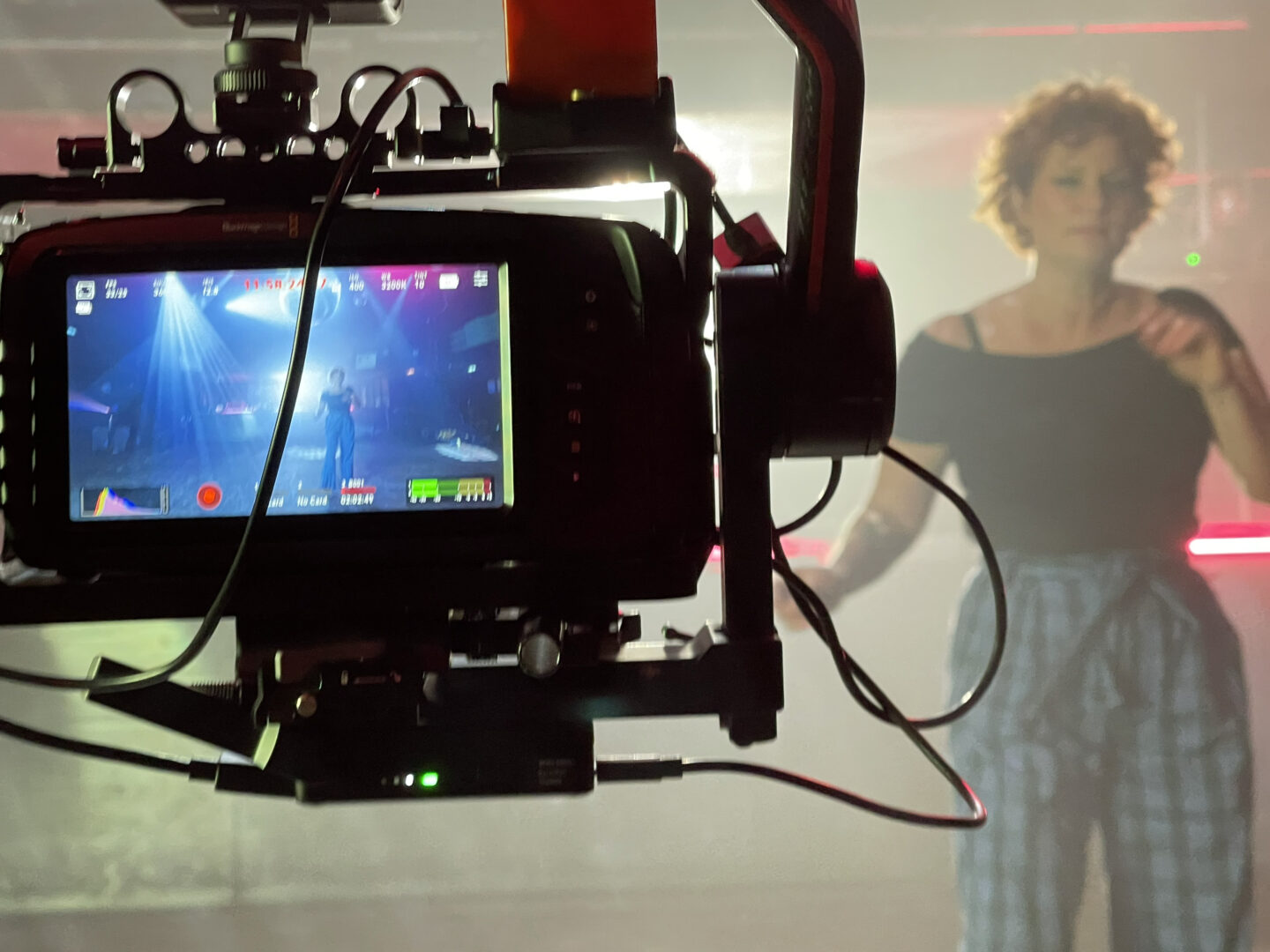
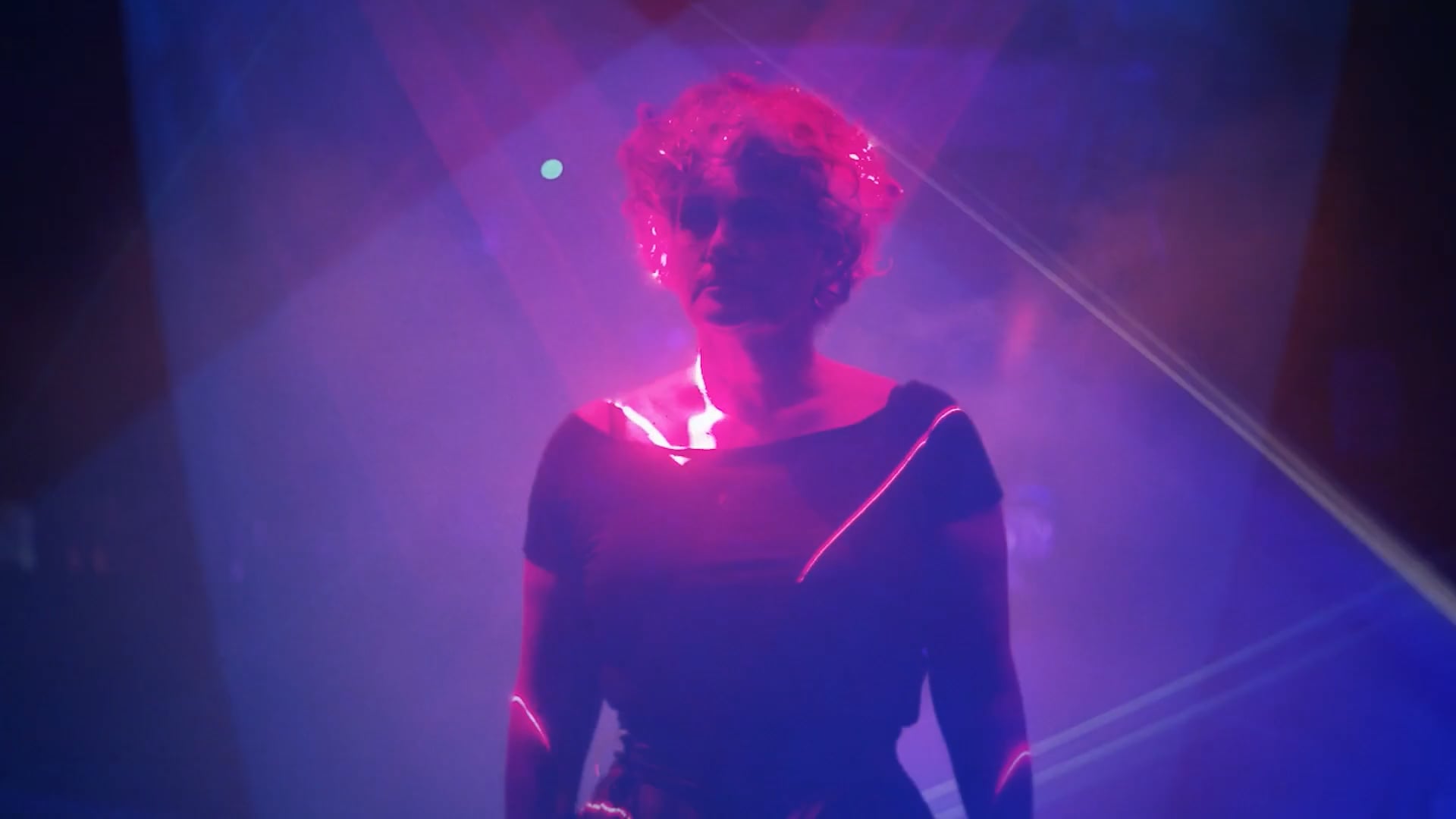
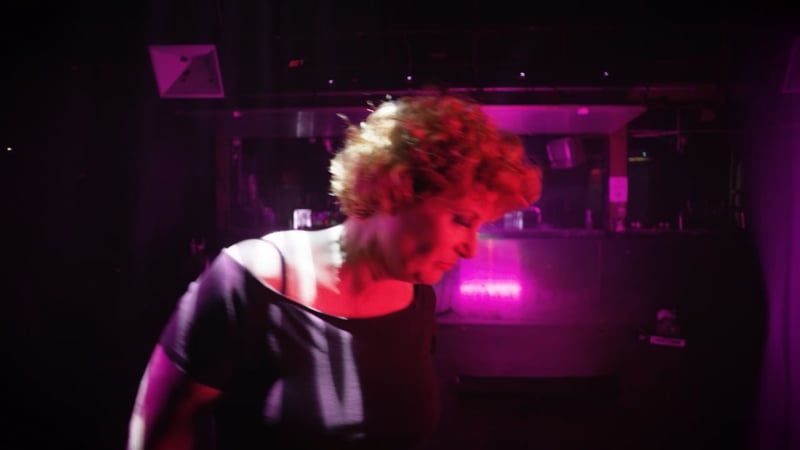
Jo was diagnosed with ADHD at 49, just as menopause was intensifying her symptoms. For much of her life, she felt like she was ‘too much’ and not good enough. She chose a disco, where she feels free and fully herself, as the backdrop for her film, sharing what it’s like to be misunderstood for years. Through it, she explores themes of grief, guilt, and a hopeful path toward understanding and acceptance.
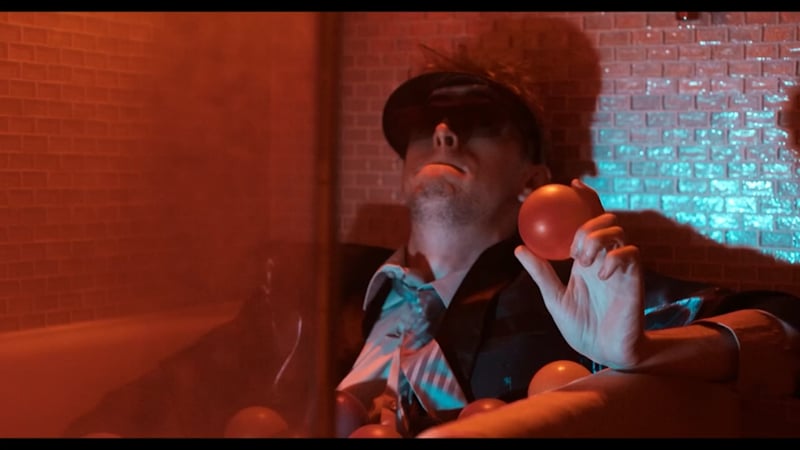
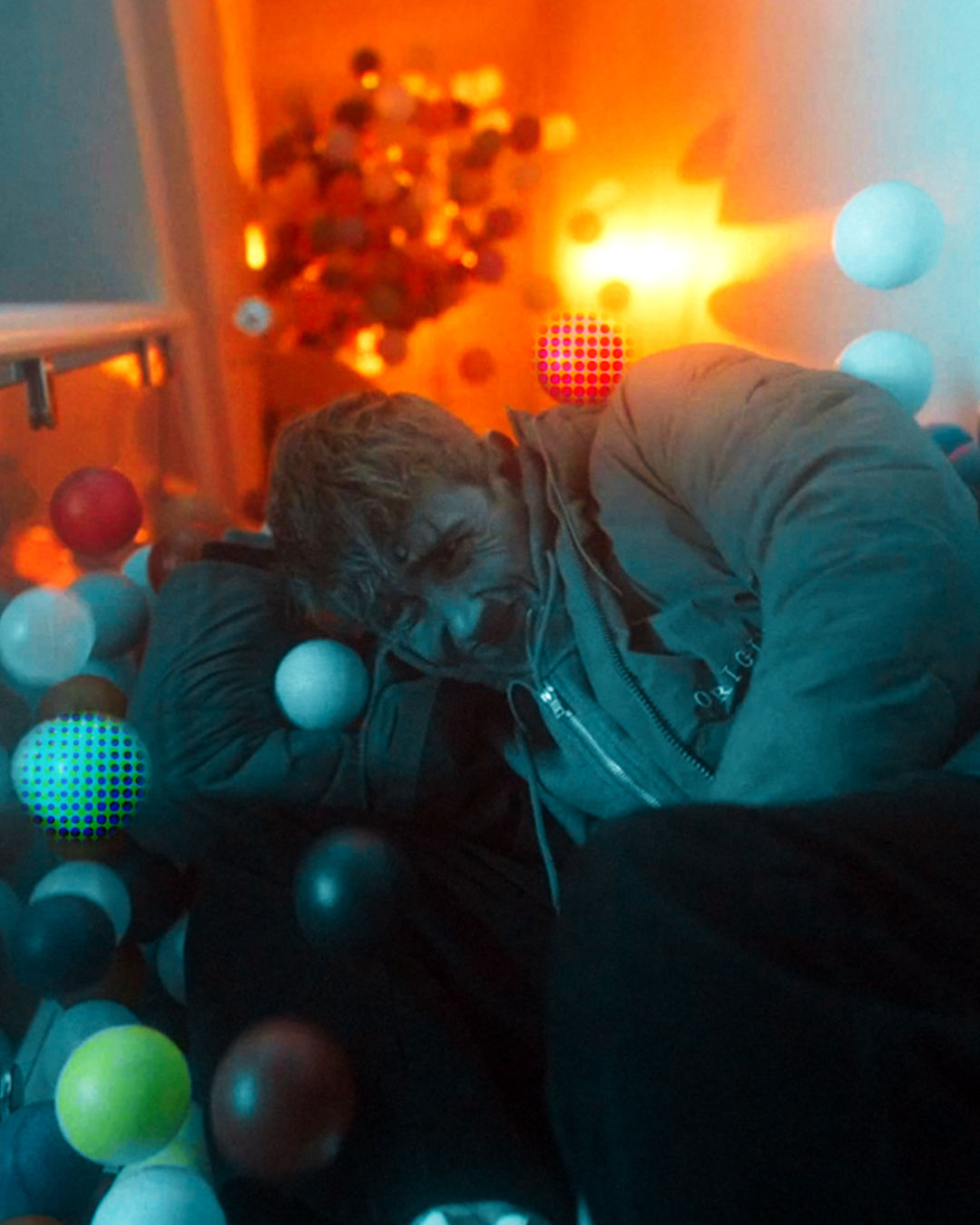
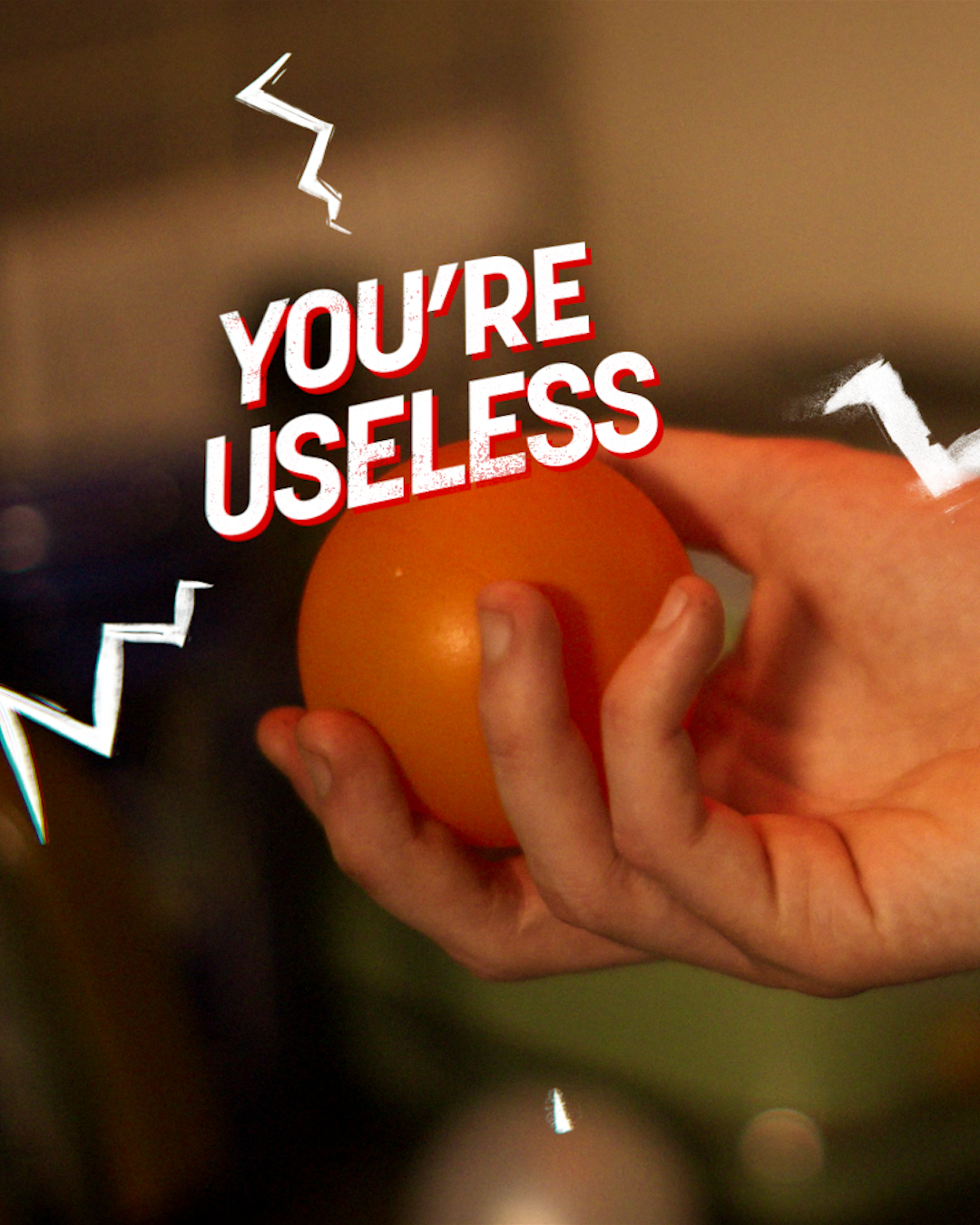
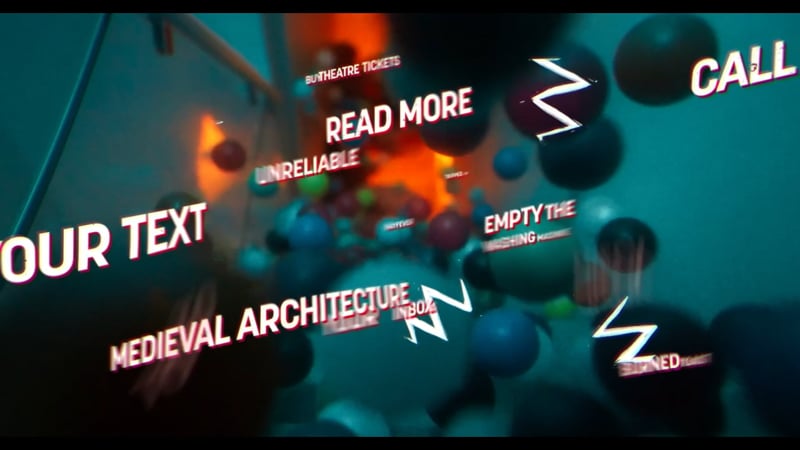
Henry uses the Tombola Man as a powerful metaphor for ADHD—chaotic, relentless, and overwhelming. He wanted to share the full extent of his experience with his parents, and the ever-demanding Tombola Man became the perfect symbol. Bold, bright typography was used to bring his story vividly to life.


The second episode of the series profiles the experiences of Suiki and Lee who both explore how Dyslexia effects their lives. Working closely with the contributors we were able to develop two very different films that explored each person’s unique and illuminating perspective.
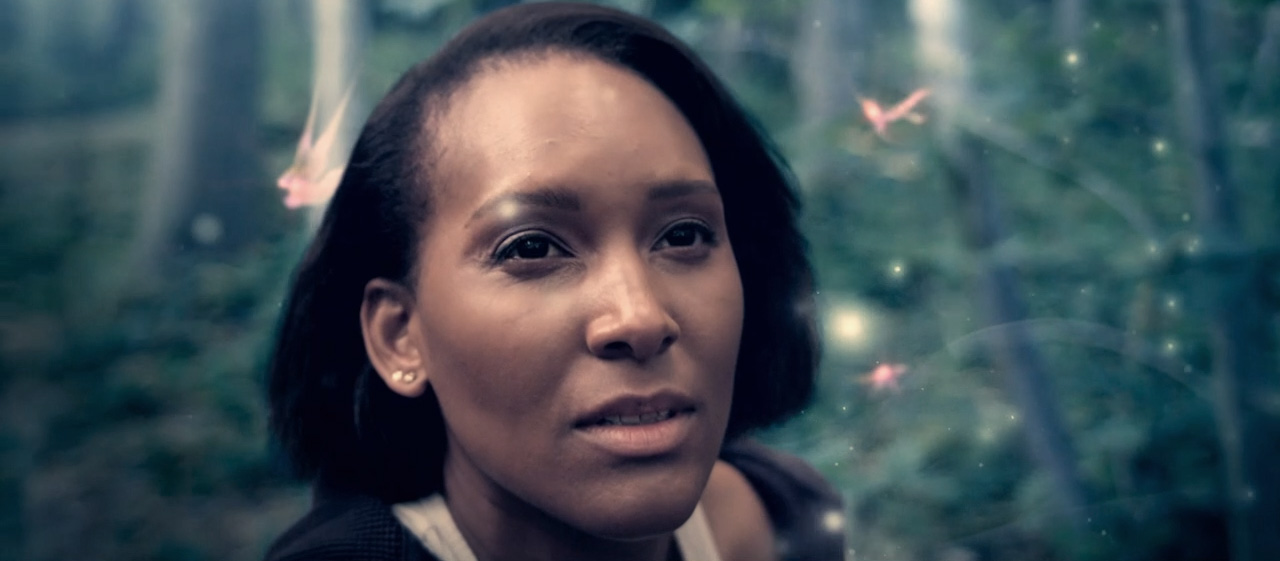
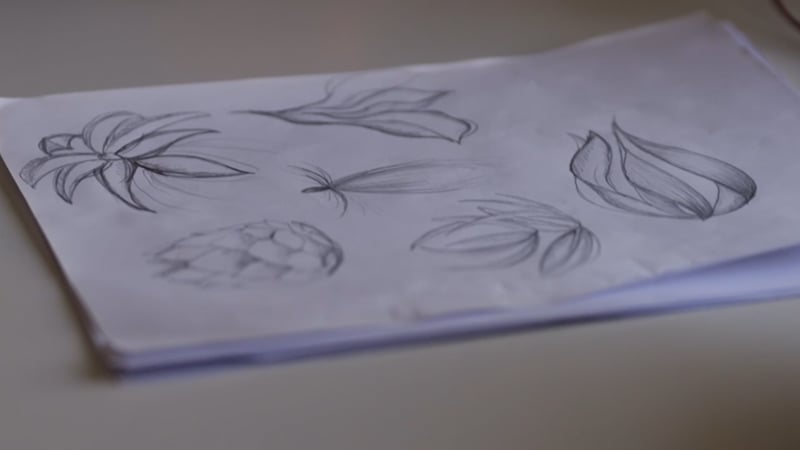
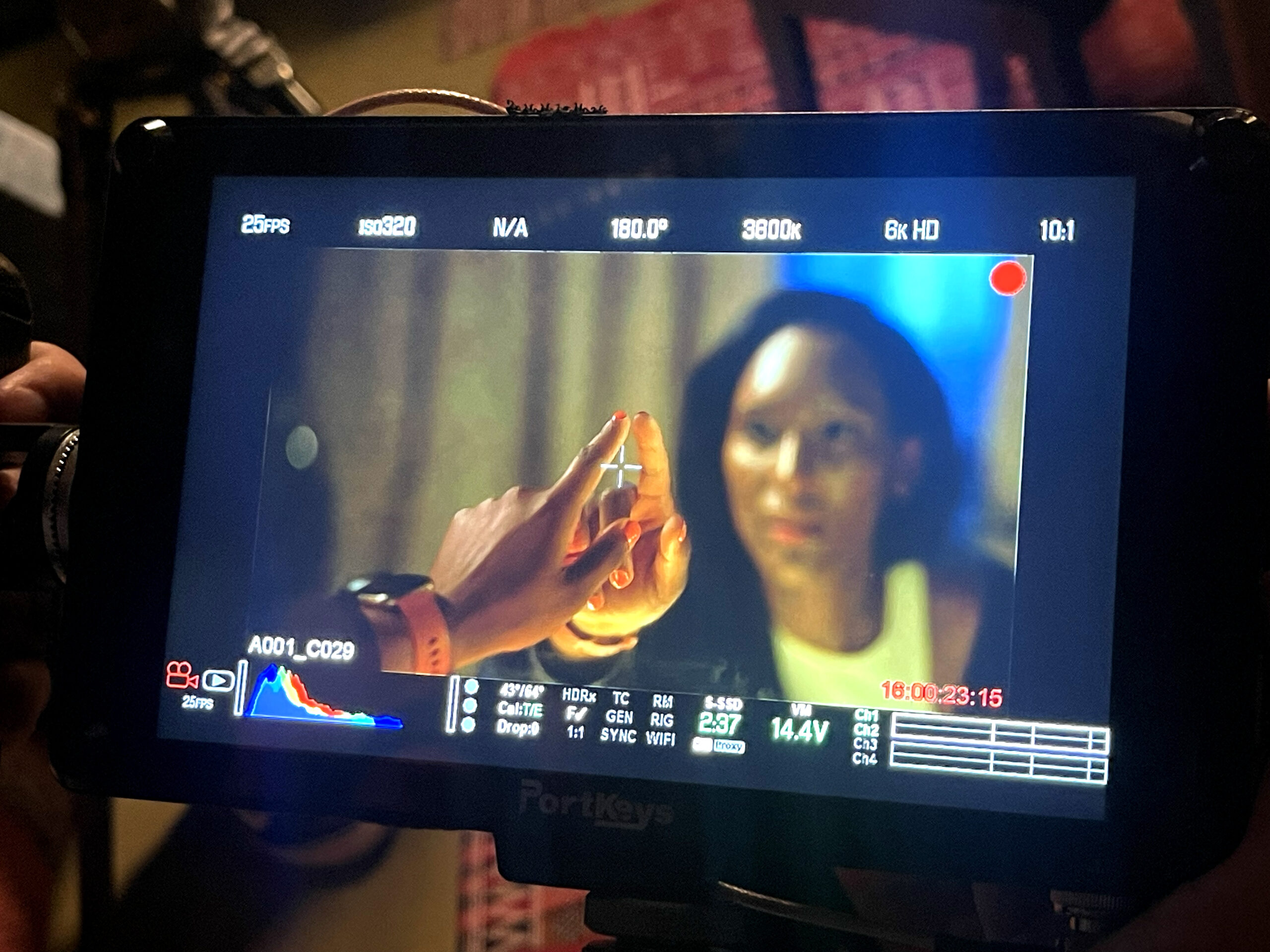
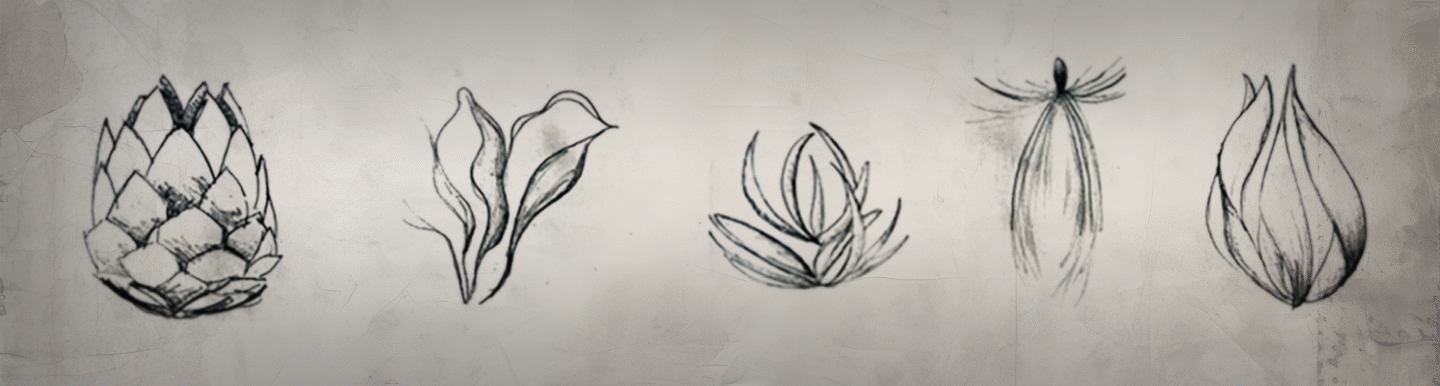
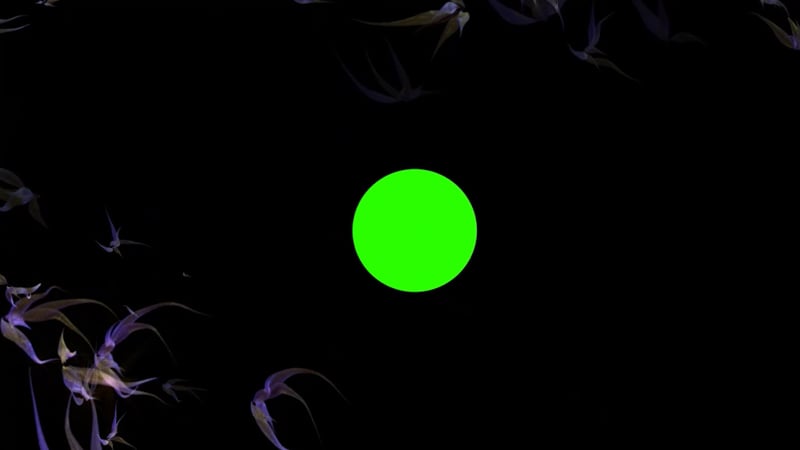
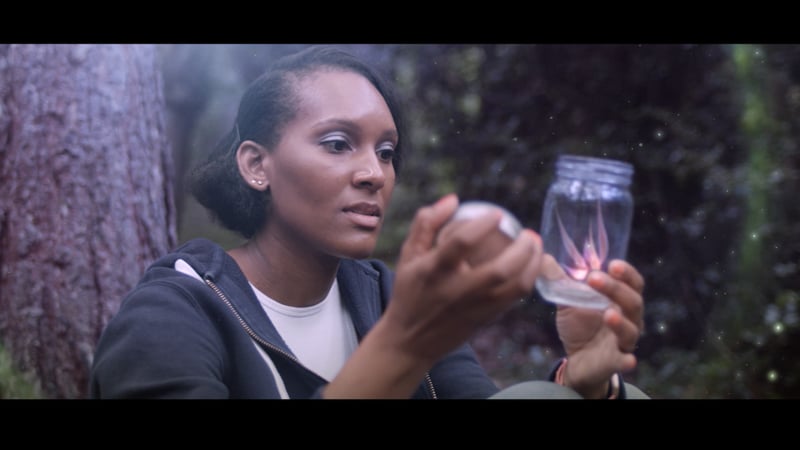
The task for Suiki’s film aimed to accurately visualise her intangible thoughts. Her dyslexia means that often ideas and memories escape her, ‘like slippery fish’ slipping out of her grasp. Our task was to develop the look at feel of these thought creatures, making them feel alive but also ethereal.

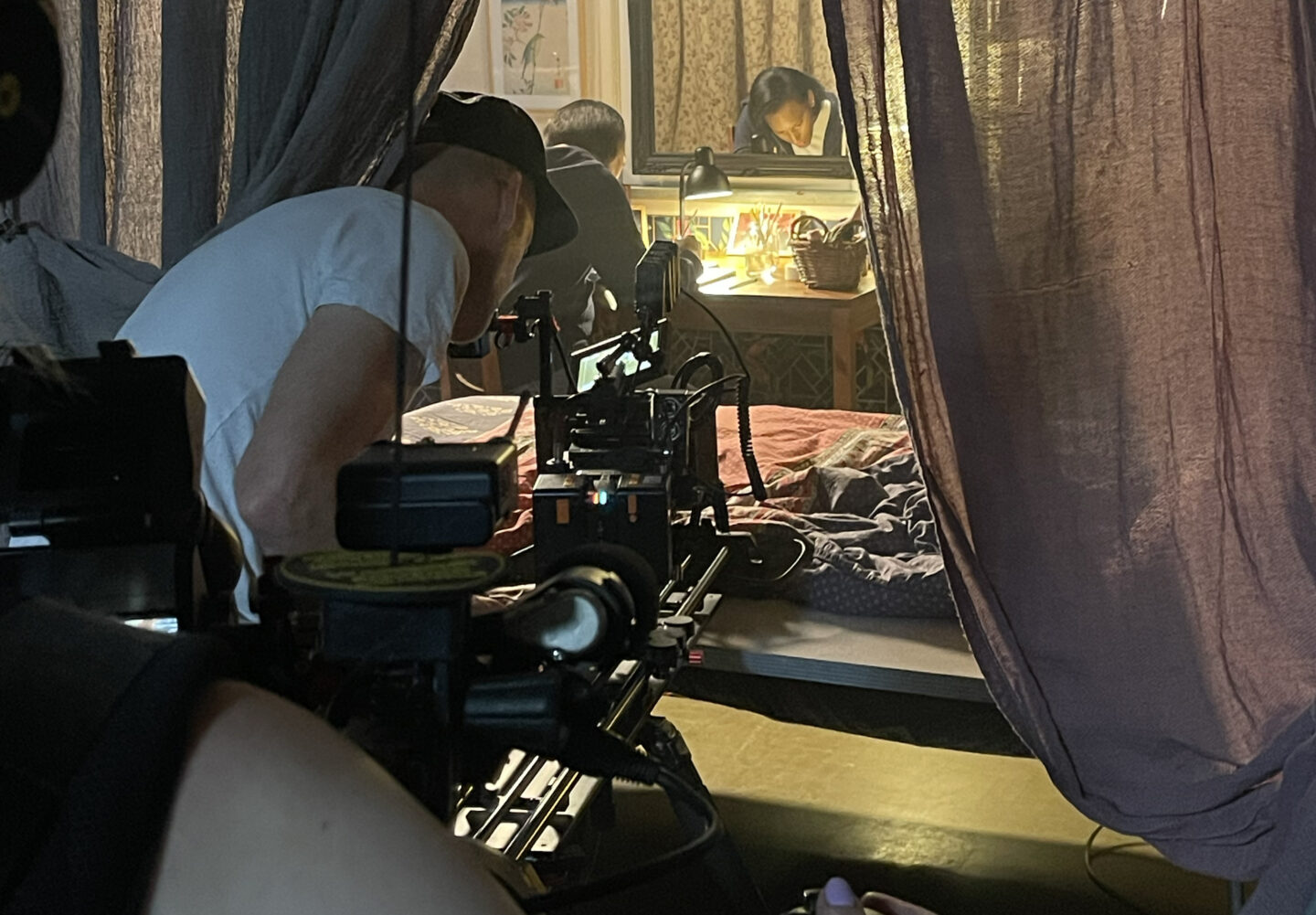
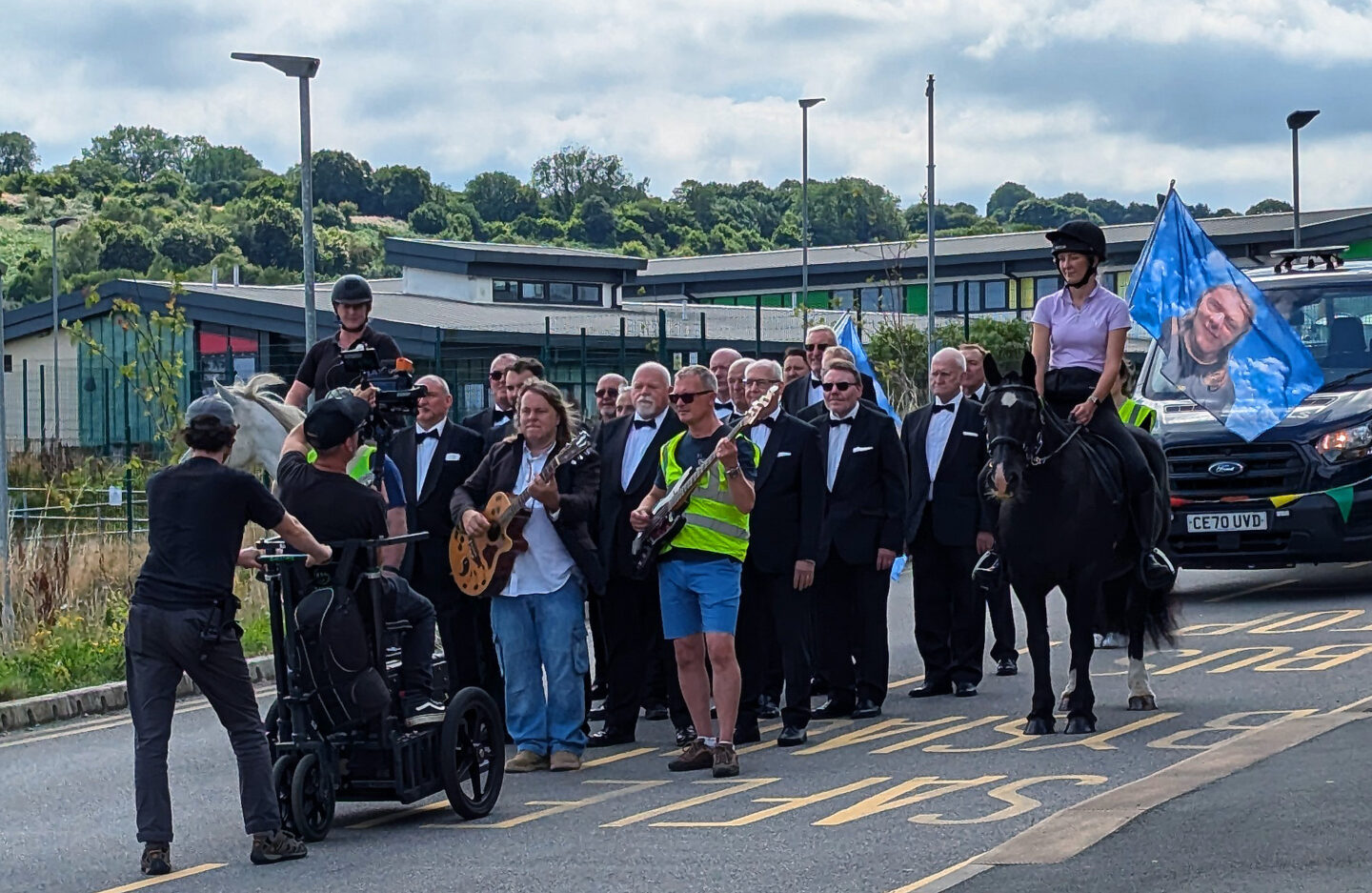
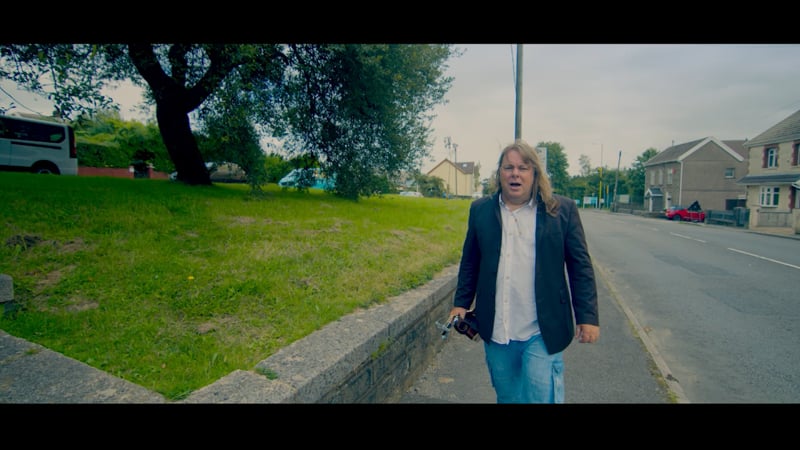
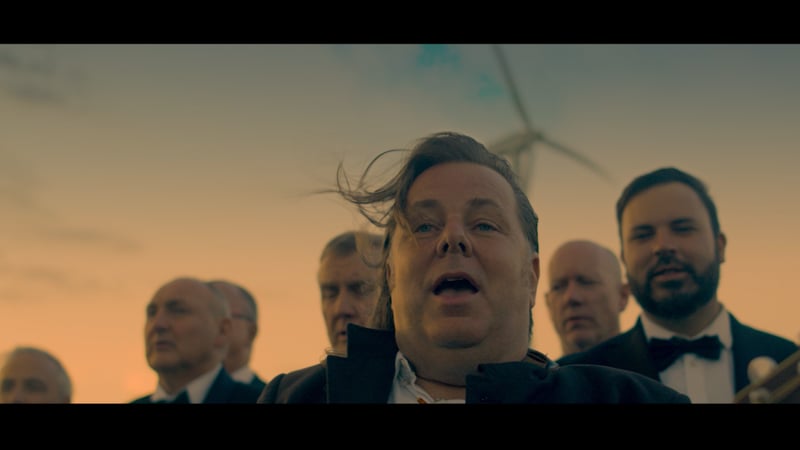
In contrast, Lee’s film which was conceived by director Joe Myerscough is a delicious slice of carefully choreographed musical theatre. Our role was as supporting cast, adding layers of kinetic typography and visual effects to help elevate this incredibly heartwarming tribute to the legend that is Lee.

Visualising how autistic people experience the world for this powerful series.
A fully integrated campaign package along with the design, production and direction of a campaign ‘hero’ film.
